Independent engineering project
Wraith UAV
Wraith is a project I started with some of my friends at Virginia Tech. Our goal is to design and build our own unmanned aircraft from the ground up, and try to push the boundaries of its maneuverability. As the Propulsion Lead, my work has focused on developing the inlet and other flowpath components, along with designing the test hardware needed to evaluate their performance
Propulsion
EDF Thrust Test Stand
The test stand was developed to accurately measure the thrust and other performance metrics of the inlet. The assembly rides on a linear rail system, which limits its motion to one degree of freedom and reduces the effect of side loading on the recorded thrust. It will be used to test the EDF at different angles of attack and determine how well the adaptive inlet improves flow recovery and overall performance.
Technical work
- Designed the test stand assembly in Siemens NX
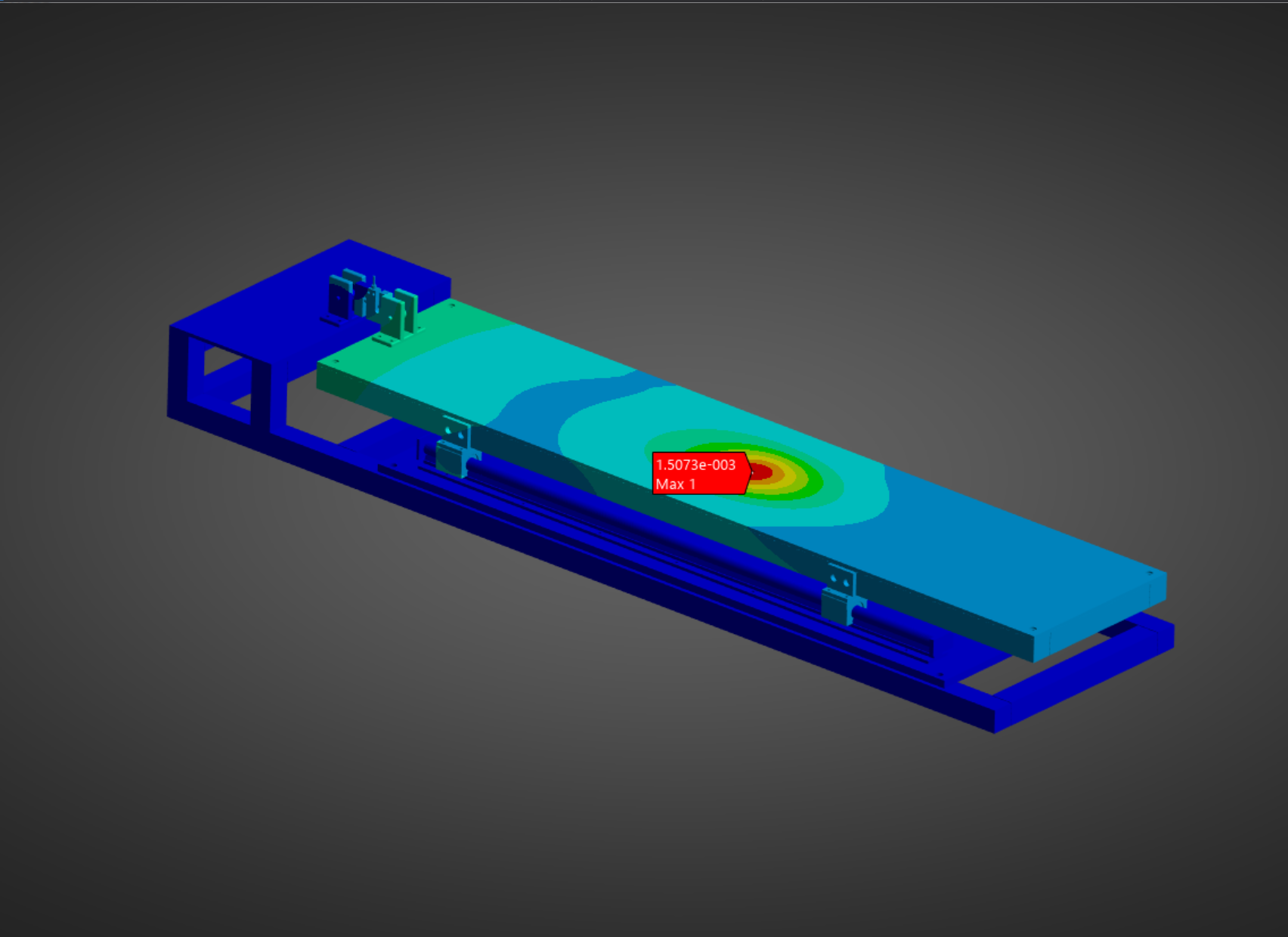
- Performed static structural analysis in ANSYS Mechanical to verify the stand’s stiffness during maximum loading
- Developed the Arduino circuitry and IDE program used to measure thrust data
- Developed Python program to record the test data and live plot the results
- Currently fabricating and assembling the test stand
Technical documentation
2 images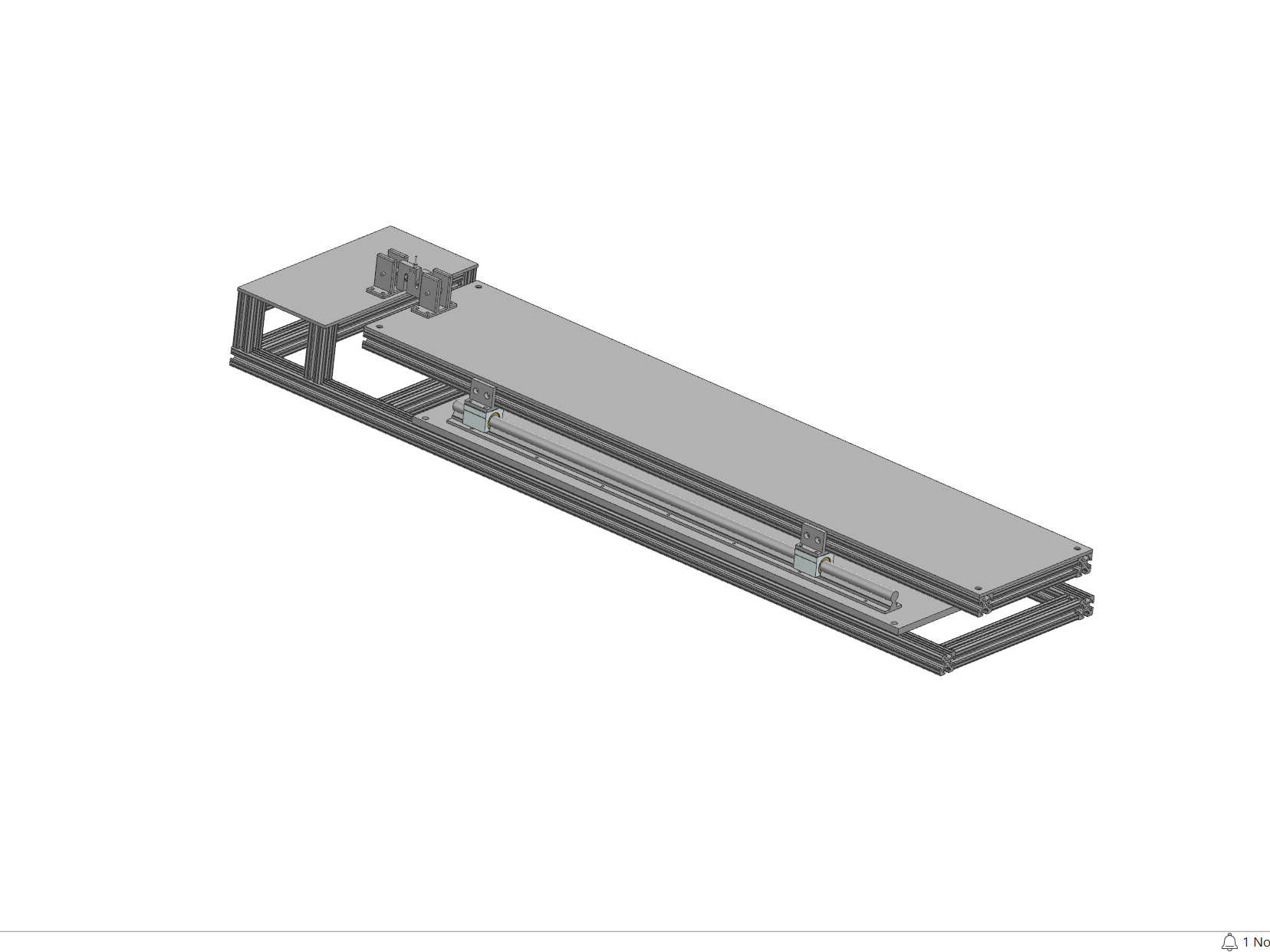
Propulstion
Adaptive Inlet
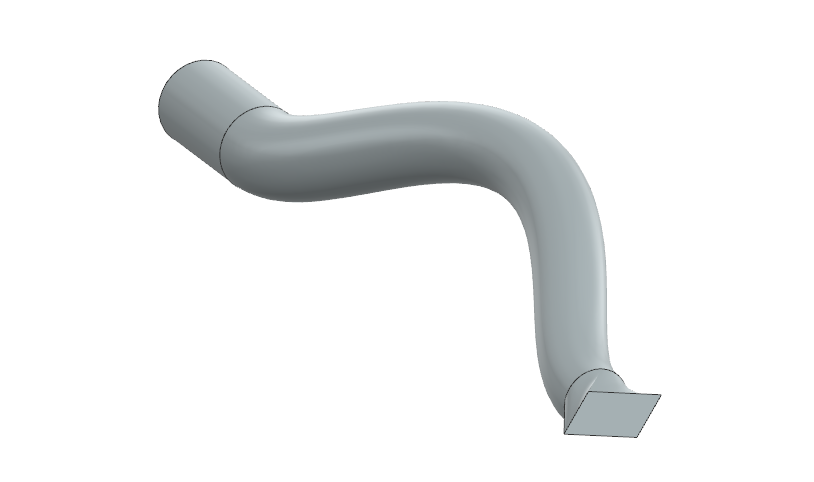
The adaptive inlet is being developed to improve airflow into Wraith’s propulsion system during high angle-of-attack and other off-design flight conditions. By changing the inlet geometry in response to different flight conditions, the system is intended to maintain consistent mass flow and reduce flow distortion at the fan face. CFD is being utilized to evaluate these CFD is being utilized to evaluate these configurations and guide the inlet design prior to experimental testing
Technical work
- Designed the baseline inlet geometry in Siemens NX
- Developed a MATLAB script to calculate pressure, temperature, and mass-flow inputs for test and expected flight conditions
- Conducting CFD analyses in ANSYS Fluent to determine pressure recovery and mass flow rate at different off-design conditions
Technical documentation
1 images